What is stratification? One of the earliest written examples of a stratification technique is found in John Evelyn’s 1664 book Sylva, or A Discourse of Forest-Trees and the Propagation of Timber in which he describes layering seed between layers (strata) of wet soil and exposing it to cold temperatures. In plain terms, in order to germinate, a seed may need conditions similar to its native environment. Stratification is merely mimicking those conditions.
Some seed sellers claim their seeds are already stratified. Okay, so–no one’s calling them liars, but it’s tough to say the seeds are stratified if they’ve spent a few days to a few weeks on store shelves or traveling to you through the mail. It’s nothing to worry about though. Many seed packets will have instructions but others won’t. However, the internet is handy for ideas and methods. Most techniques usually consist of either giving the seeds a cold snap, or giving it a cold snap and then a warm spell, or scarification. Here are some simple ways to get your stratification on.
Nature
Most seeds needing stratification means they need a cold period or scarification can usually break their dormancy and/or shells. The easiest way to stratify seeds is by sowing them outside in the Fall. No mess. No fuss.
Scarification
One type of dormancy is called exogenous where the dormancy happens outside the embryo. The hard shell needs to be broken and we use scarification to achieve germination. Seeds like Morning Glory, Lupine, Sweet Peas, and many others have better germination success by wearing down or softening the shell like winter weather normally does. This is easy to do by nicking the seed with a razor, sharp knife, or nail clippers. You can also rub the seeds with some sandpaper or a nail file. An easy way to soften the shell is by giving the seed the hot water treatment. That’s exactly how it sounds. You boil water. Wait half a minute and pour over the seeds. Then you usually let the seeds soak overnight.
Dry Stratification
Some seeds just need a long period of cold. Seeds can be stored where the temperatures are around 34F for 4 weeks or longer depending on the seed type. A shed. garage, basement, or refrigerator work.
Moist Stratification
Moist stratification usually involves mixing seeds in a moistened medium like sand, moss, etc. Many times this type also calls for cold. So you’ll want to use the same cool spots like a shed to store them for 4 or more weeks.
Here's one method that incorporates scarification and a wet stratification to speed up the germination.
The Nick + The Wet Paper Towel Method
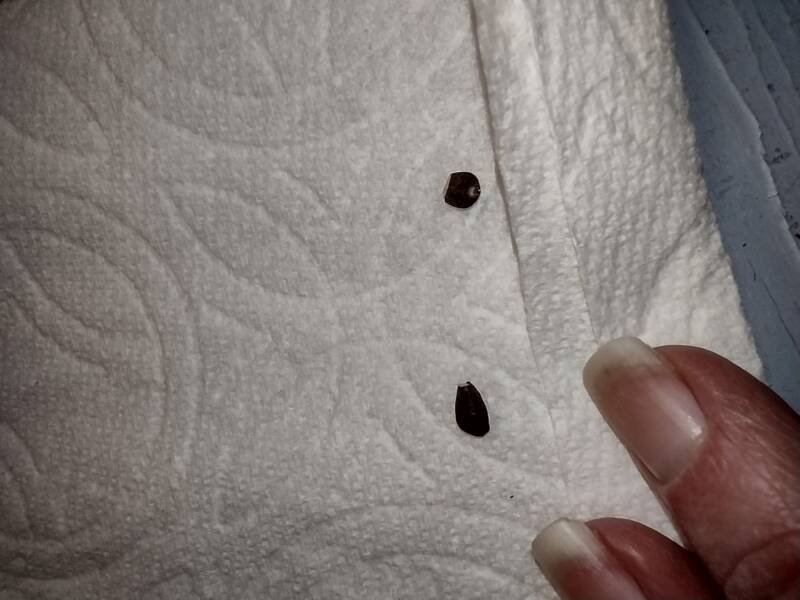
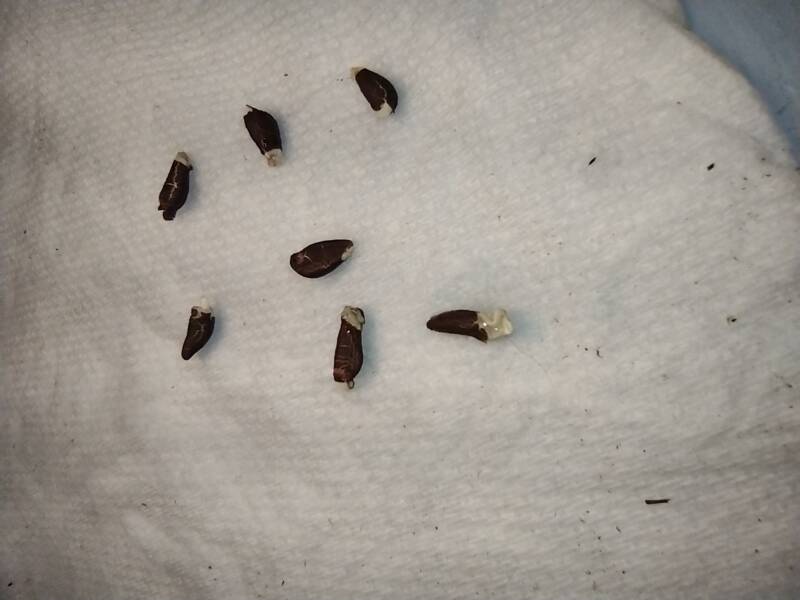
The wet paper towel minus the scarification can work for some seeds like artichoke, cucumber, and others. However, other seeds need the nick and the paper towel like morning glory which are pictured on the right.
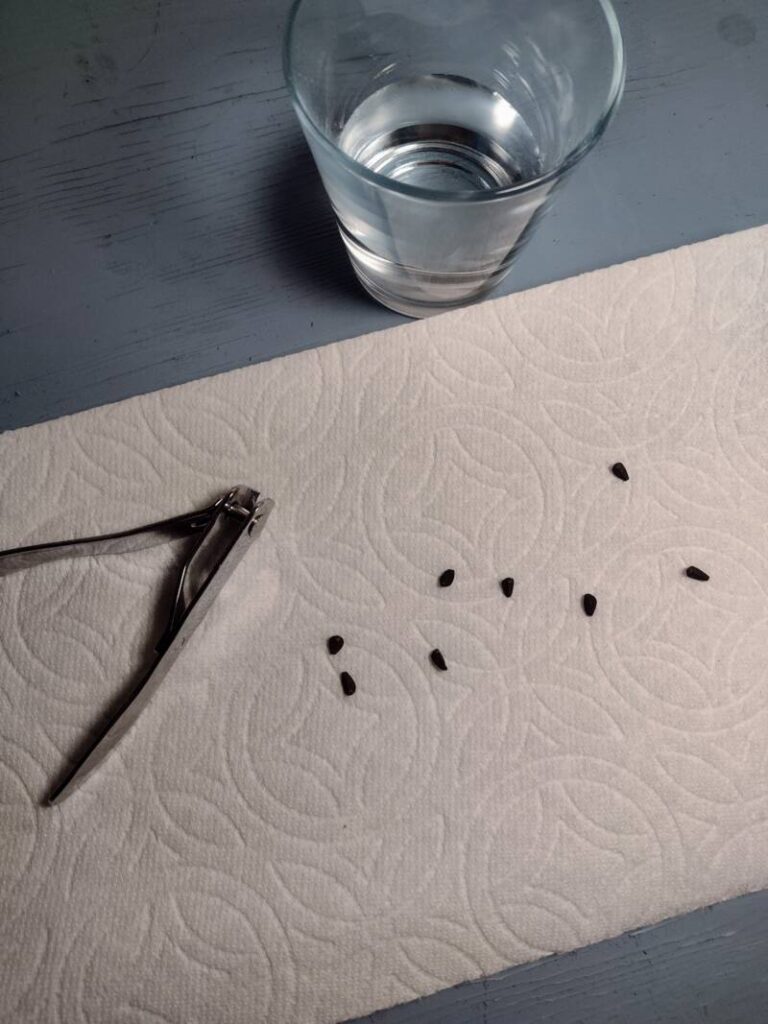
Items needed: Seeds, Paper towel, half a glass of water. Note: there are nail clippers in the photo because these are morning glory seeds that germinate best with scarification–meaning they need to be nicked or scraped.
Step 1: Nick or scrape seeds if the outer shells are hard.
Step 2: Place 2 to 3 seeds in a row and roll them into the fold. Repeat until you’ve used up 1/2 or 3/4 of the paper towel left and roll the rest up as tight as possible.
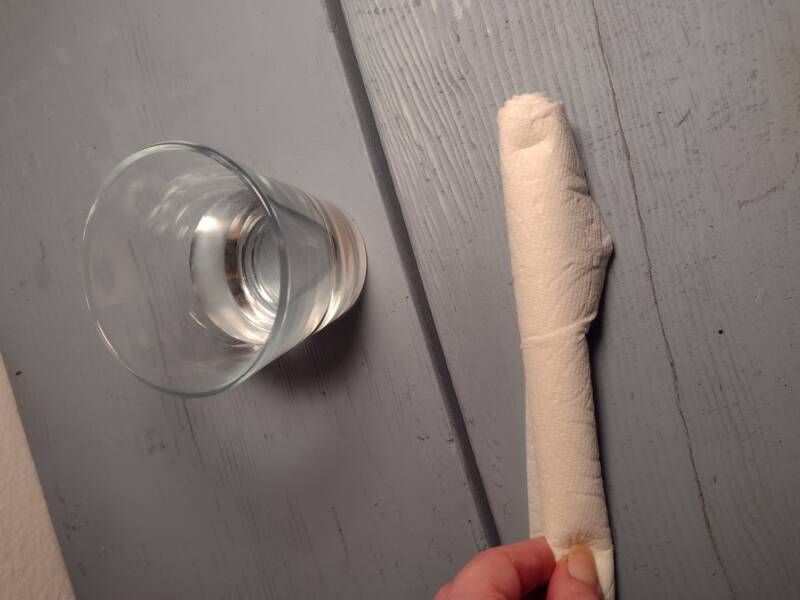
Step 3: Place the paper towel in the water glass. Keeping the glass half full your seeds will germinate depending on the seed type’s germination duration. These morning glory seeds took 2 to 3 days with an indoor temperature of 65F.
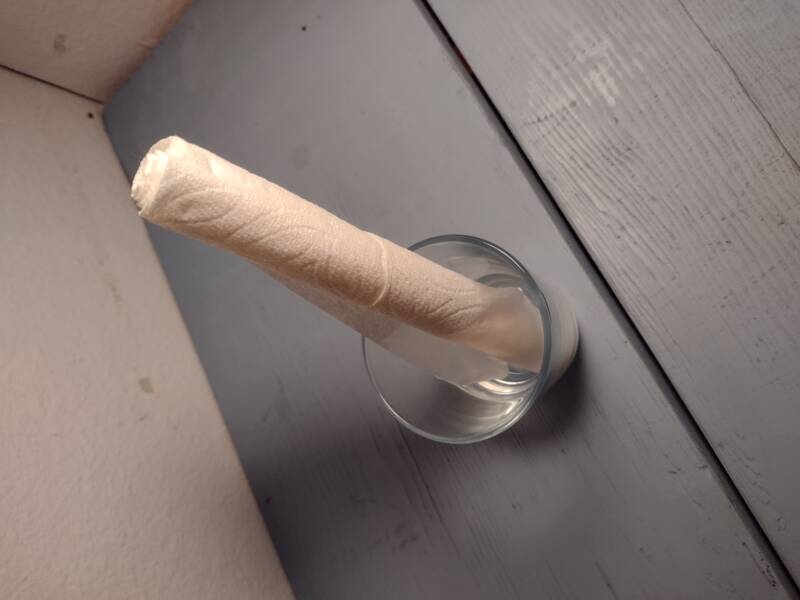
Step 4: After germination, carefully remove seeds from the paper towel and promptly plant in a container. I normally don’t plant the sprouts too deep but rather lightly dust them with soil. If the sprouts prove too hard to remove from the paper towel you can cut the paper towel and plant the sprout that way. A little piece of paper towel never hurt anything.
You can experiment with the paper towel method but remember the smaller seeds the more tricky it can be to remove the germinated seeds.
Images: © 98201 Seed All rights reserved